My Daily Journal
Welcome to my daily journal, where I'm documenting my journey of learning about teen pregnancy through the lens of hatching and caring for baby chicks. Each entry reflects my thoughts and observations as I navigate this unique project.
Day 1
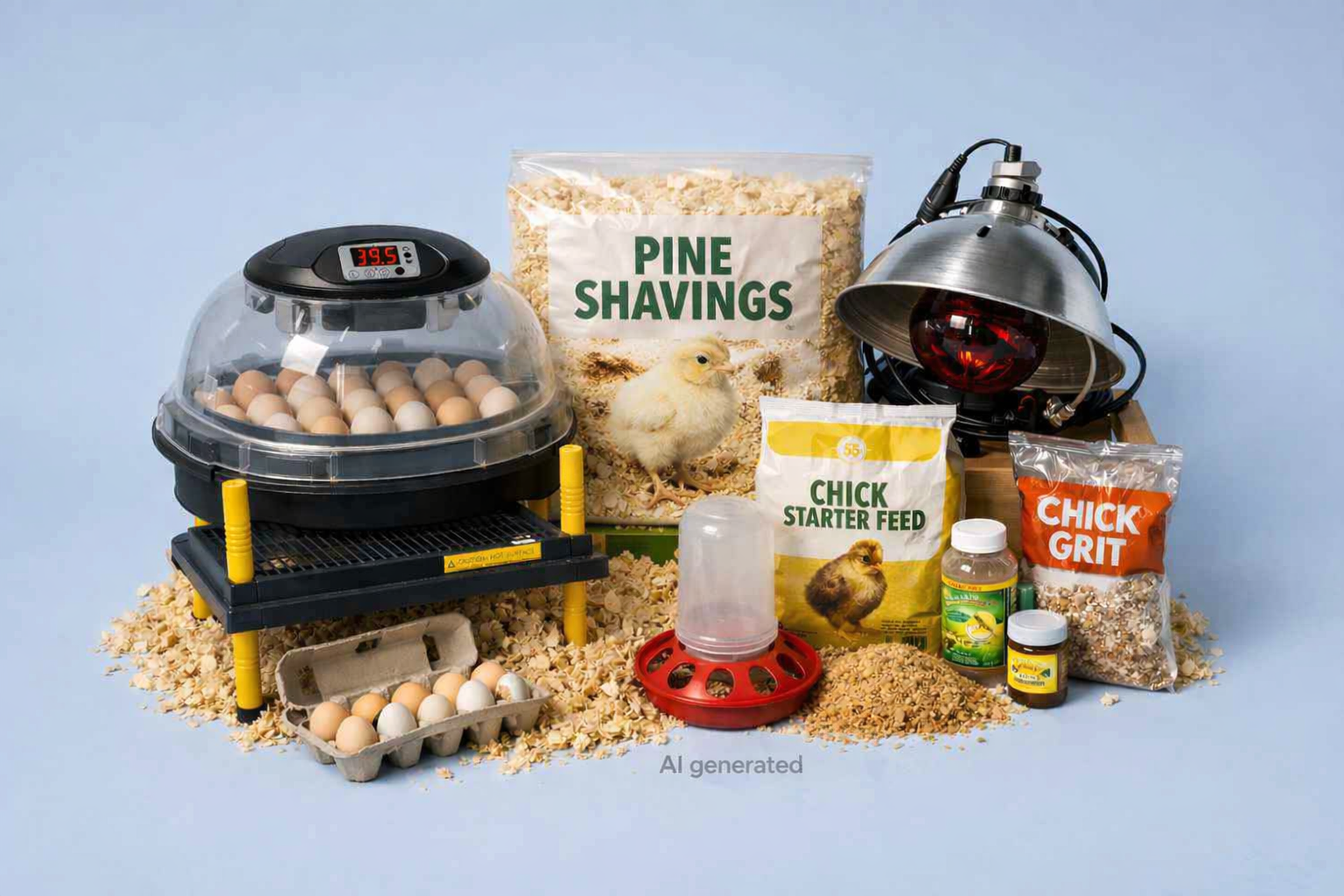
Today, I gathered the supplies needed to hatch and care for chicks once they are born, including an incubator, brooder, heat lamp, bedding, and a water dispenser. Since my 30-day project has a $50 budget to reflect the challenges of teen parenting, I borrowed several of these materials from a friend to help reduce costs. This made me realize how expensive it can be to prepare for even basic care, and how unrealistic it would be to buy everything on such a limited budget. Because of this, I had to prioritize only the most essential items and rely on outside support, which is something many teen parents may have to do. Moving forward, I will only need to spend money on food and possibly additional bedding, which will help me stay within my budget.

Day 2
This morning, I prepared the incubator for the chicken eggs that I would be collecting later. After school, I went to Baxter Farms to pick up 6 chicken eggs and purchase starter feed for when they hatch. Each egg was $5, and the feed was $20, so the total came to $50, meaning I have now used my entire budget. I thought I would be way under budget, but I realized how quickly costs can add up, even with only a few basic supplies. Now, I will have to be very careful not to spend any additional money on my chickens so I can stay within my project budget. This experience showed me how easily expenses can add up when caring for animals on a strict budget.
Day 3
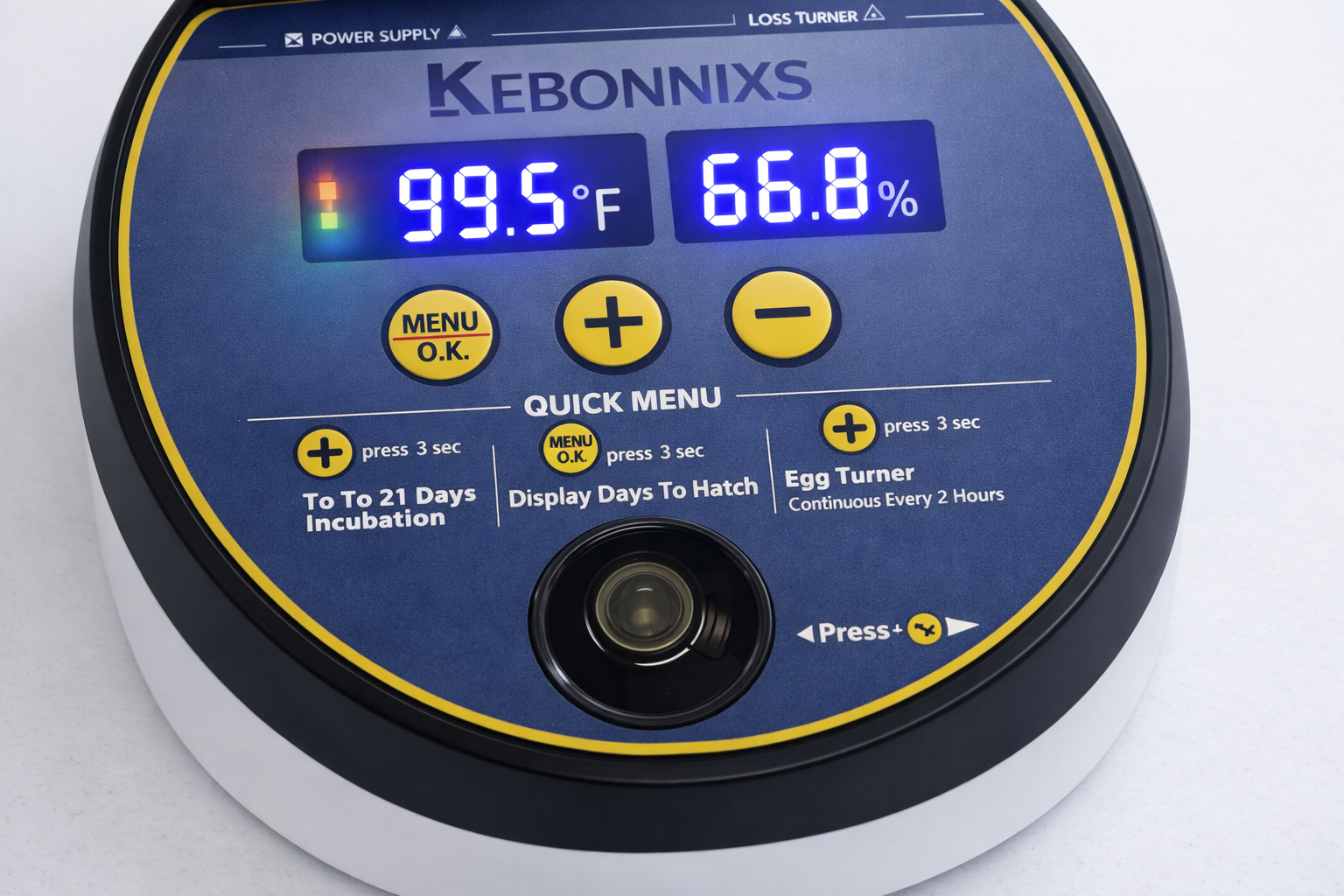
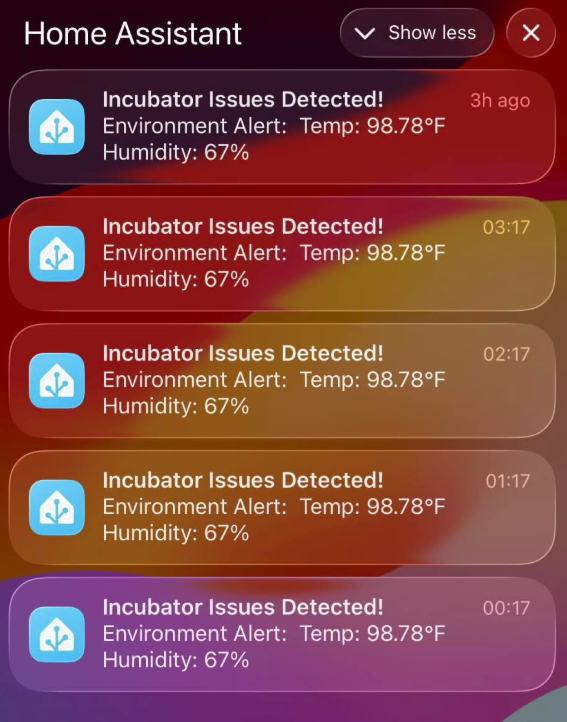
This morning, I realized that there was a humidity problem in the incubator. It was more than 10% higher than it was supposed to be. This might not seem like much, but especially since they're very young, it can lead to infections, the embryo drowning, and even death. Fortunately, I realized early on, but if I hadn't, it could've seriously harmed the embryos or caused them to not hatch at all. To fix this, I adjusted the incubator settings and monitored the humidity levels to make sure it was safe. Fixing the problem took longer than I expected and almost made me late for school, which helped me understand how unexpected responsibilities can interfere with daily routines, especially for teen parents who have to balance caregiving with other commitments. This showed how even small mistakes can have serious consequences when you are responsible for living things.

Day 4
Today was my younger brother’s birthday, but I wasn’t able to celebrate with him for the entire day because of the eggs. I had to keep a close eye on them since the automatic turning feature of the incubator was not working properly. This mattered because if the eggs are not turned regularly, it can affect the development of the embryos and reduce their chances of hatching successfully. Because of this, I had to stay nearby and manually check on them throughout the day to make sure they were being turned as needed. I was still able to celebrate part of the day, but I missed out on some time with my family. It showed me how taking care of something that depends on you can require sacrifices. This connects to teen parenting, where people may have to give up time with friends or family in order to prioritize caregiving responsibilities.
Day 5
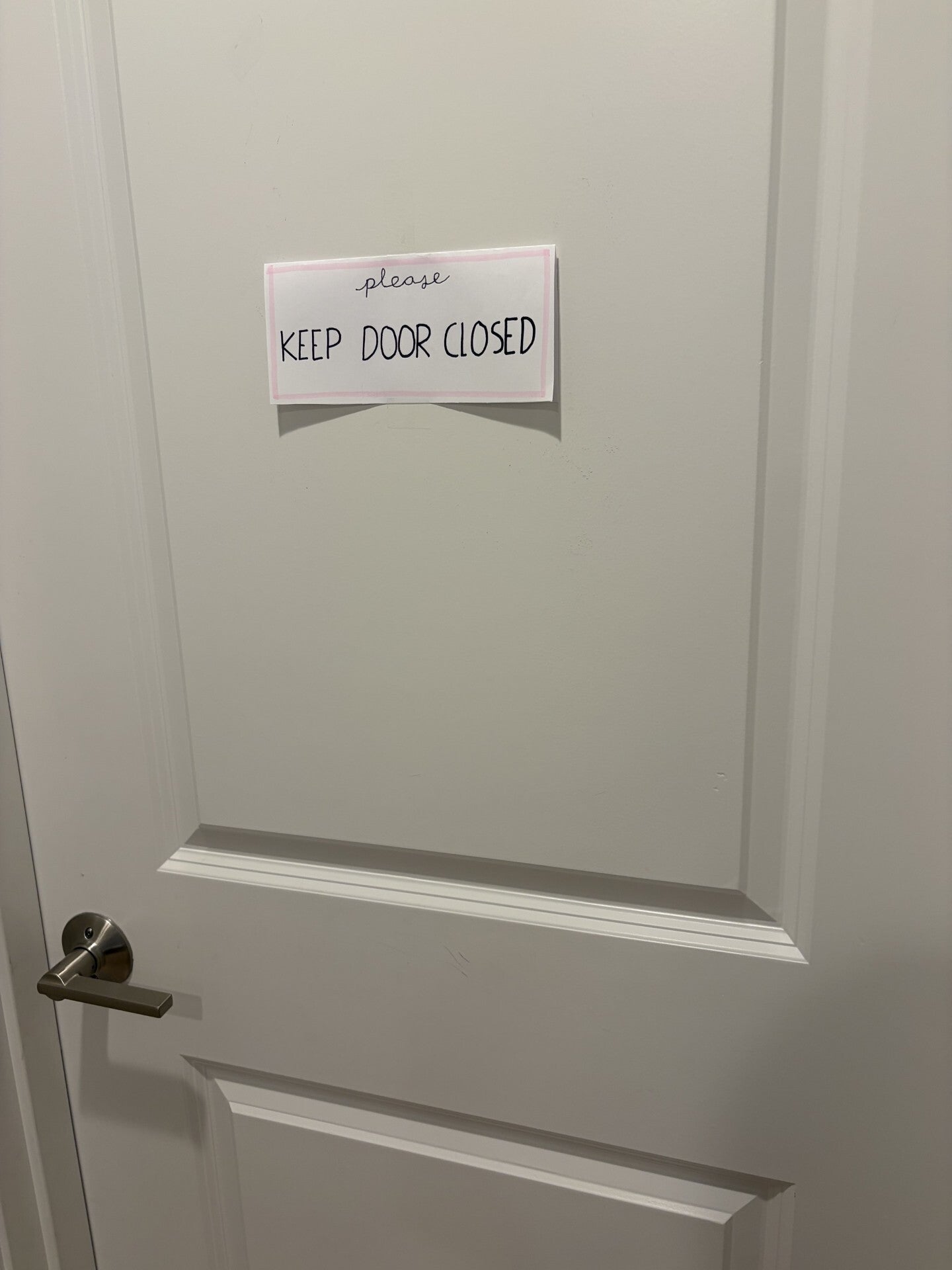
I realized today how difficult it can be to break habits, even when they seem simple. One of my responsibilities while taking care of the chicks is to make sure the door to my room always stays closed. This is important because I have two pet cats that usually spend time in my room. If they were to come in, they could try to play with the incubator and possibly knock it off the table or change a setting, which could harm the eggs. Although closing the door may seem like a small and easy task, it is something I often forget since I am used to leaving it open. When I came back from school today, I realized my door had been open the entire day. Thankfully, no harm was done, but it showed how easily something could have gone wrong. After noticing this, I made sure to close the door right away and reminded myself to be more careful in the future. It reinforced how important it is to stay consistent with even the smallest responsibilities, especially when something depends on me for safety and care. It also made me think about how difficult it can be to change habits, and how much responsibility is involved in situations like teen parenting, where small mistakes can have serious consequences.
Day 6
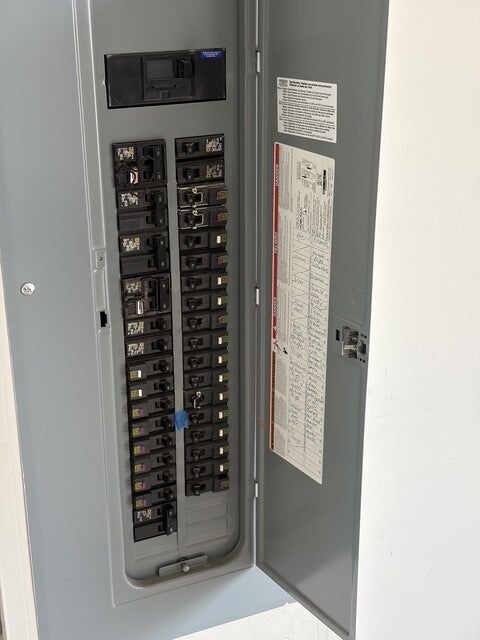
This afternoon, there was an electricity problem in my house, and my dad turned off the power for a few minutes to fix it, not realizing that it would affect my incubator. I didn’t notice right away, but the electricity was off long enough that it could have impacted the temperature inside the incubator. This mattered because even small changes in temperature can affect the development of the embryos and lower their chances of hatching successfully. Fortunately, the power was only off for a short period of time, so no major damage was done. After realizing what happened, I checked the incubator to make sure the temperature returned to a safe level and continued monitoring it closely. It showed me that when something depends on you, you are responsible for making sure everything is working properly, even when problems are caused by other people. It also reflects how, in situations like teen parenting, unexpected issues can happen at any time, and it is important to stay aware and take responsibility for handling them quickly.
Day 7
Today was my birthday, but similar to when it was my brother’s birthday, I had less time to celebrate because I had to constantly check on the eggs, including the incubator’s temperature and humidity. This showed me how, when you are responsible for something that depends on you, you cannot fully “take a break” without still being aware of its needs. When I went to hang out with my friends for my birthday, I had to set up a monitoring system to make sure there would not be any problems while I was away from home. Even though I was still able to enjoy part of my day, I had to balance celebrating with responsibility. This experience made me realize how demanding it can be to care for something that relies completely on you, and how responsibilities like this can affect personal time and special events.

Day 8
I checked the development of the embryos in each egg today. Since it is day 8, I expected to clearly see blood vessels and a dark spot representing the embryo. However, I was only able to faintly see a few blood vessels in most of the eggs. This was disappointing because I have been putting a lot of effort into caring for them, and it made me worried that they might not hatch successfully. This matters because proper development at this stage is important for the embryos’ survival, and limited growth could mean something is wrong with the conditions in the incubator. After noticing this, I carefully checked the temperature and humidity to make sure they were at the correct levels and that nothing had gone wrong. It made me realize how uncertain this process can be, even when you are doing everything correctly, and how stressful it can feel when something you are responsible for might not succeed. This also reflects how, in situations like teen parenting, you can put in a lot of effort and still worry about outcomes that are not fully in your control.
Day 9
Today, I continued to closely monitor the incubator to make sure the eggs were developing properly. Maintaining the correct humidity level is extremely important because if the humidity is too low, the embryos can dry out or develop more slowly, while humidity that is too high could cause it to drown. This made me realize how precise and consistent care has to be throughout the incubation process, since even very small mistakes can have major consequences. It also reminded me that, in situations like teen parenting, small responsibilities and details can have a significant impact on the well-being of someone who depends on you.
Day 10
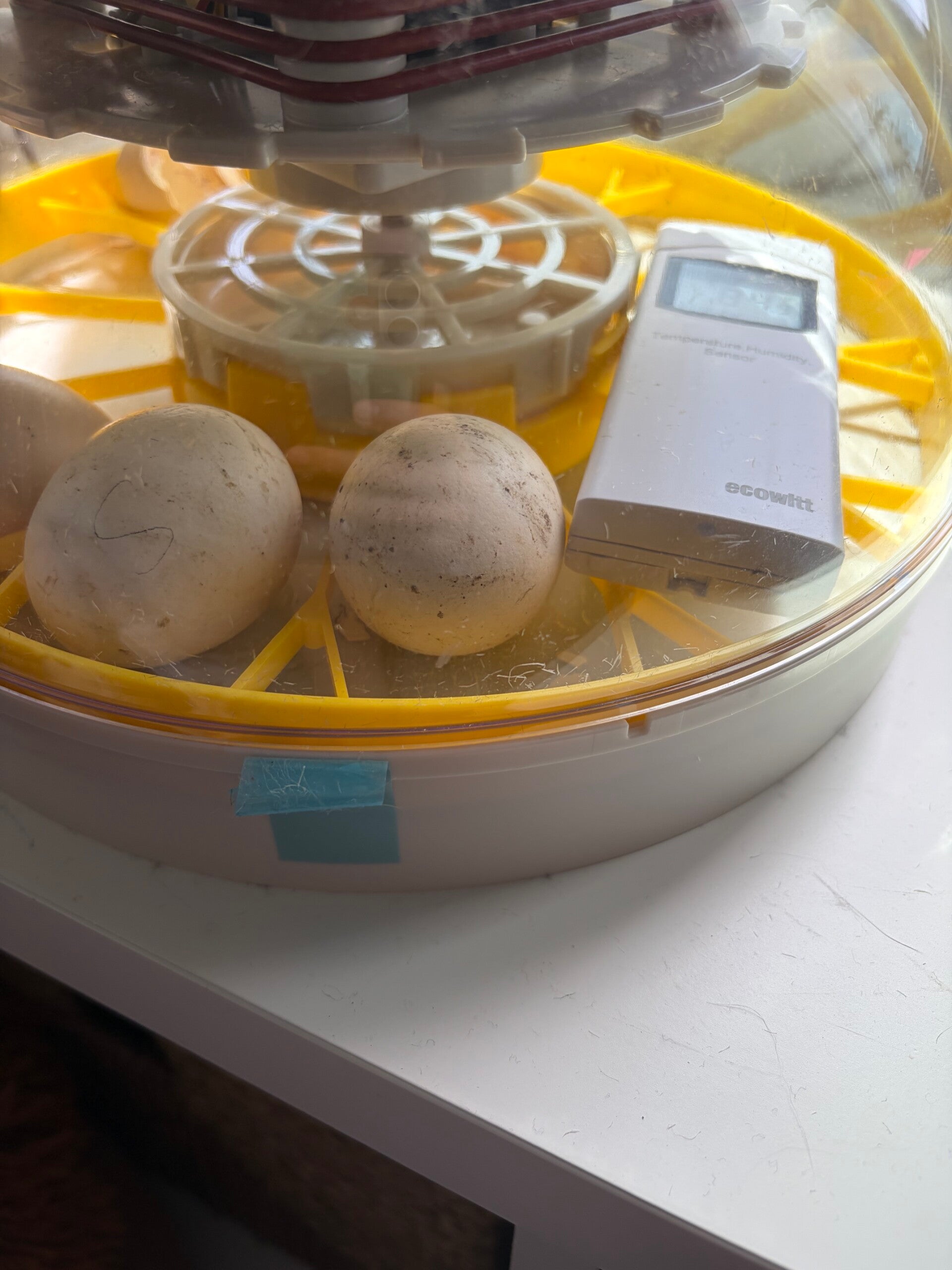
Today, I put a hygrometer inside the incubator, which is a device that monitors both humidity and temperature. Since it's day 10, it's now even more important to have the right levels so that the embryo can develop properly. I put in the device in the morning, but when I got back from school, I saw that it was blocking the eggs from being able to be turned with the automatic turner. It's important for eggs in this stage to be turned regularly because it keeps the embryo from sticking to the inside of the shell, which can cause it to get stuck and stop developing. This mistake made me realize how even small mistakes can have huge impacts on something that you're caring for. Taking care of the incubator isn’t the same as raising a baby, but it does show how much responsibility it takes. Teen parents have to pay attention to a lot of things at once, and sometimes they make mistakes too, but they have to fix them and keep going. Just like I have to balance school and checking the incubator, teen parents have to balance school, responsibilities, and taking care of someone who needs them.
Day 11
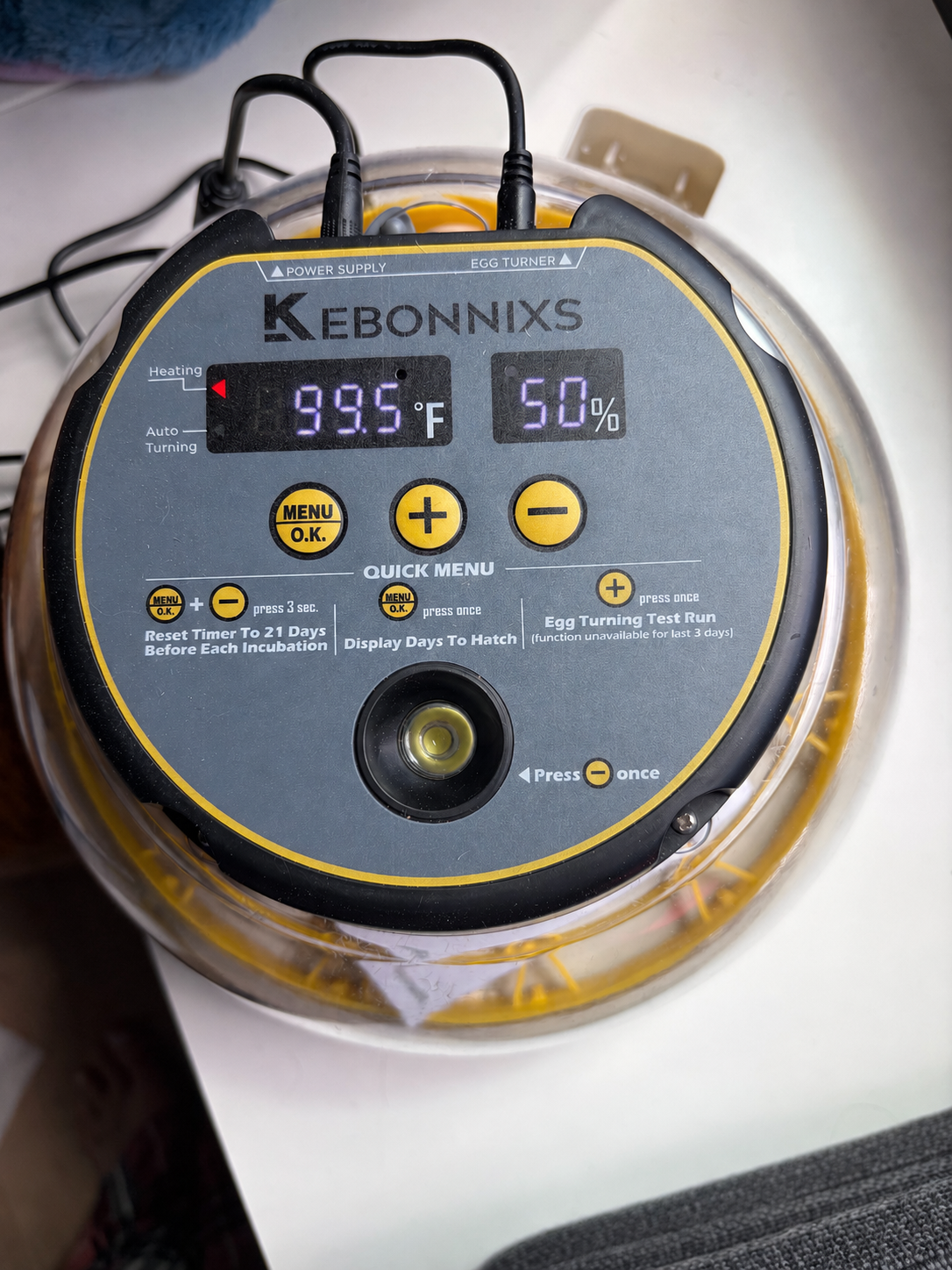
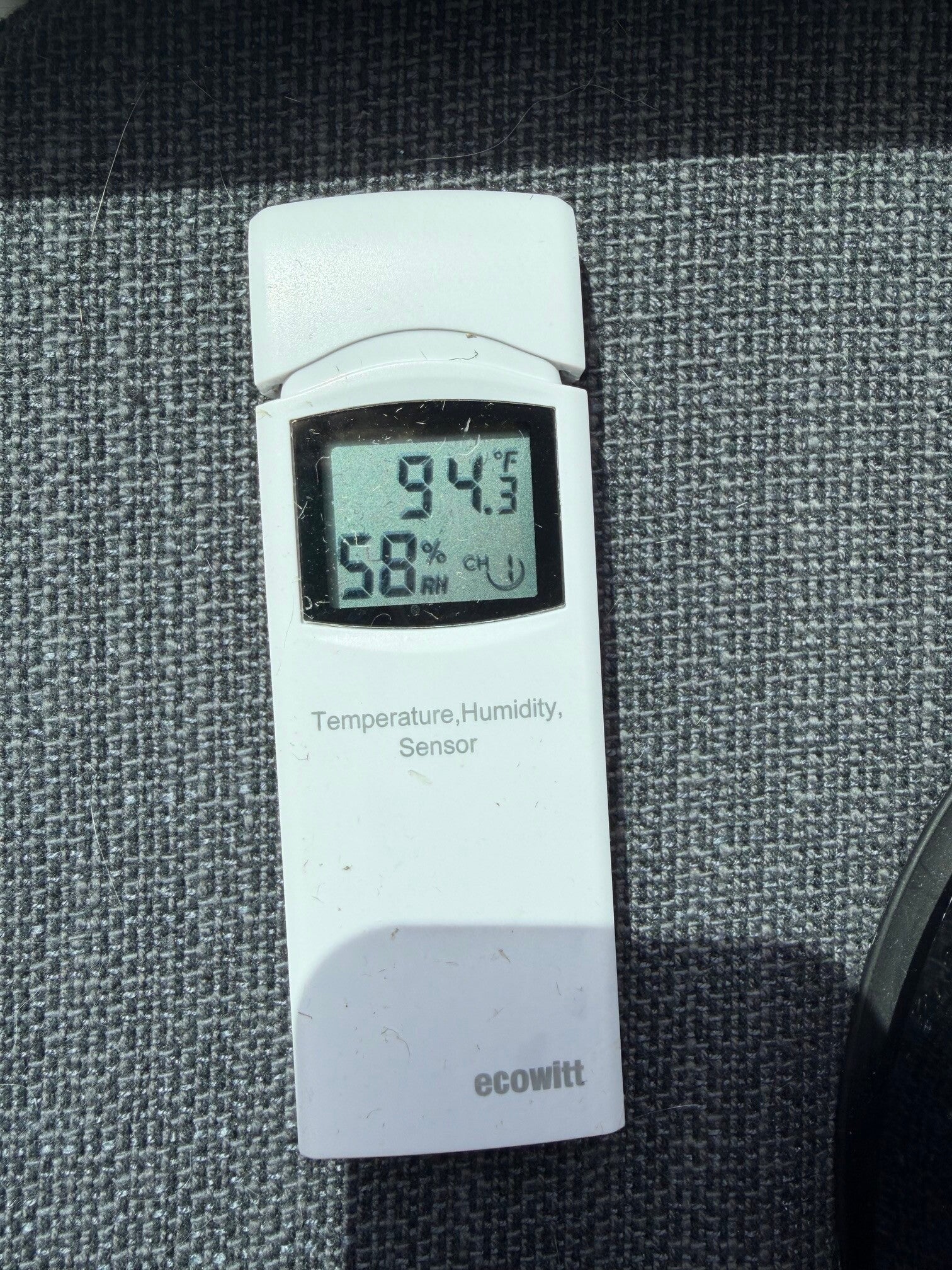
As I continued to check the hygrometer, I noticed something very important. The incubator said that the temperature was over 2 degrees warmer than the separate thermometer said, and almost 5% more humidity. This was very concerning because the purpose of adding the hygrometer was to ensure everything was at the right level, but now, I don't know which one to trust. It made me realize that even when you think you’re doing everything right, things can still go wrong, and sometimes you have to make decisions without having perfect information. This connects to teen parenting because there are so many factors that you can't control, so teen parents have to make the best choices they can even when things are confusing or stressful. Just like I had to figure out what to do with the two different readings, teen parents have to stay calm, think things through, and keep trying their best even when nothing feels simple.
Day 12
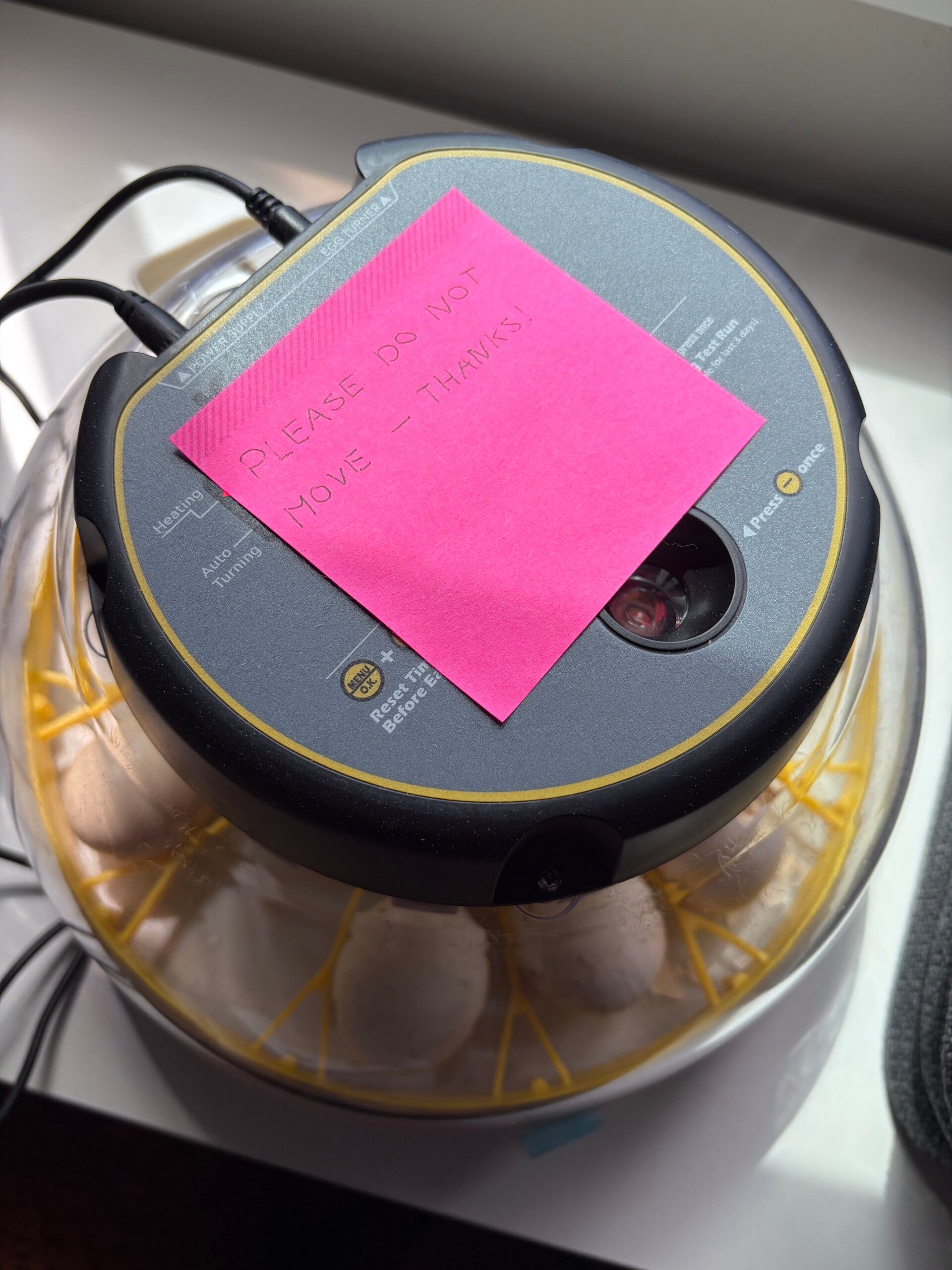
This morning, when the cleaners came, I had to leave a note so they wouldn’t move the incubator, not knowing how it could harm the developing chick. They often shift things around to clean under them, but moving the incubator could seriously mess up the schedule of turning eggs, and they could stop developing completely. I didn't want to sound rude writing the note, but I also knew I had to protect the eggs. It made me realize how much responsibility I suddenly had, because if someone moved it even a little, everything I’d been working on could get ruined. Just like I had to make sure the incubator stayed exactly where it was, teen parents have to make sure their child’s environment stays safe, even when other people don’t realize how important it is.
Day 13
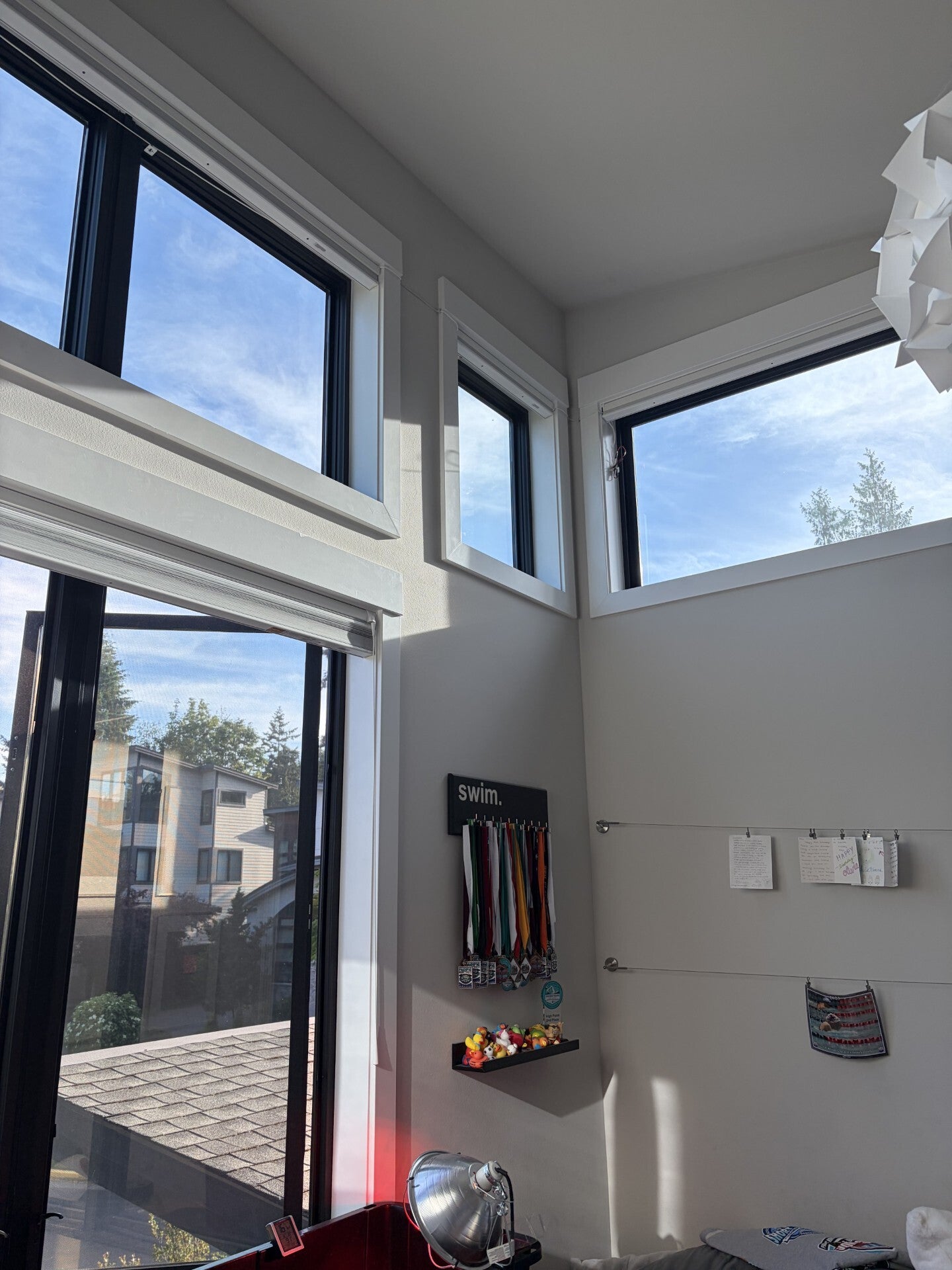
Throughout this project so far, I've had many responsibilities to keep the developing chicks' environment safe, like making sure the door to my room stays closed, to ensure my cats don't try to play with the incubator. Another important thing I always had to check was that my curtains always stay closed. In my room, I have lots of windows, and I'm used to opening them every morning, so this has been a challenge. But it's important, because it could drastically change the temperature levels in the incubator. Doing all of this made me realize how many little things I have to think about all the time just to keep the environment stable. This connects to teen parenting because teen parents also have to pay attention to things they never used to think about. They have to change their routines, stay aware of their surroundings, and make sure their baby’s environment stays safe, even when it’s inconvenient or annoying. Just like I had to adjust my habits for the incubator, they have to adjust their whole schedule for someone who depends on them.

Day 14
Today I checked the development of the embryos in the eggs for the first time since day 8. On that day, I had been disappointed by how little development I could see, but today there was much more progress. Most of the egg appeared very dark, which indicates that the chick is developing inside. I could also see a small air bubble at the top of the egg, which is a sign that it is getting ready for hatching. In addition, I noticed some movement, which was very exciting. This change from earlier in the process made me realize how quickly development can progress in just a few days, and it made me feel more hopeful about the eggs successfully hatching. It also reminds me that, like in teen parenting, progress often happens gradually, and it takes consistent attention and care to notice small but important changes.

Day 15
Today, I checked the development of the embryos again and noticed that I only saw clear signs of growth in two of the eggs. This means that the other eggs may not have developed properly or may not have been fertilized. This was really disappointing because I have been putting a lot of time and effort into caring for them and making sure the incubator conditions are correct. However, it also made me realize that not everything in this process is guaranteed, even when I am doing my best. At the same time, I am relieved that at least two of the eggs are still progressing well. This situation reminded me how caregiving can involve both hope and uncertainty, and how teen parents may experience similar feelings when they put in effort but cannot fully control the outcome.
Day 16
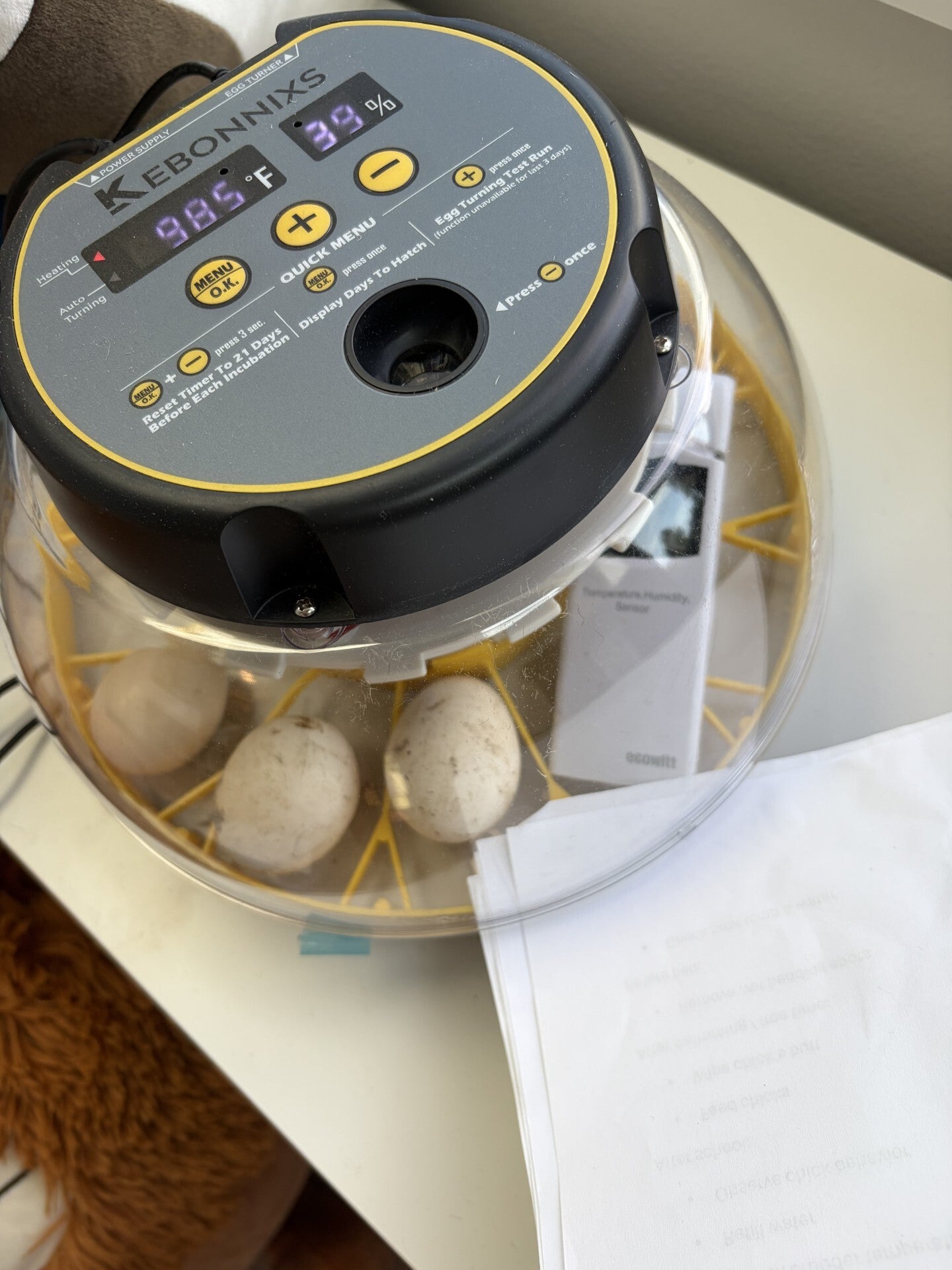
When I woke up this morning, I realized that the incubator's temperature and humidity was dropping rapidly. I didn't know why, because the settings were correct and there was enough water in the dispenser. After checking everything, I saw that the lid on the incubator wasn't completely sealed. One side was propped open with a piece of paper. Even though it was a tiny gap, it made a big difference in important levels that determine whether the chicks hatch or not. This demonstrates how even a small mistake can cause a large impact, especially when you're caring for a living thing.

Day 17
This afternoon, I was checking to make sure I had completed everything I needed to do for the day when I noticed that the automatic water refill system for the incubator was almost empty. This surprised me because I had filled it the day before, and normally it only needs to be refilled every two days. The system acts as an external water reservoir that helps keep the humidity levels stable, which is extremely important for proper chick development. If the humidity changes too much, it can negatively affect the embryos and lower their chances of hatching successfully. After noticing this, I decided to begin checking the water level every day instead of every other day to make sure the humidity remains consistent. This situation reminded me how quickly unexpected problems can happen, even when I think everything is under control. It also reflects how, in caregiving situations like teen parenting, routines sometimes need to change in order to better support someone who you're in charge of.
Day 18
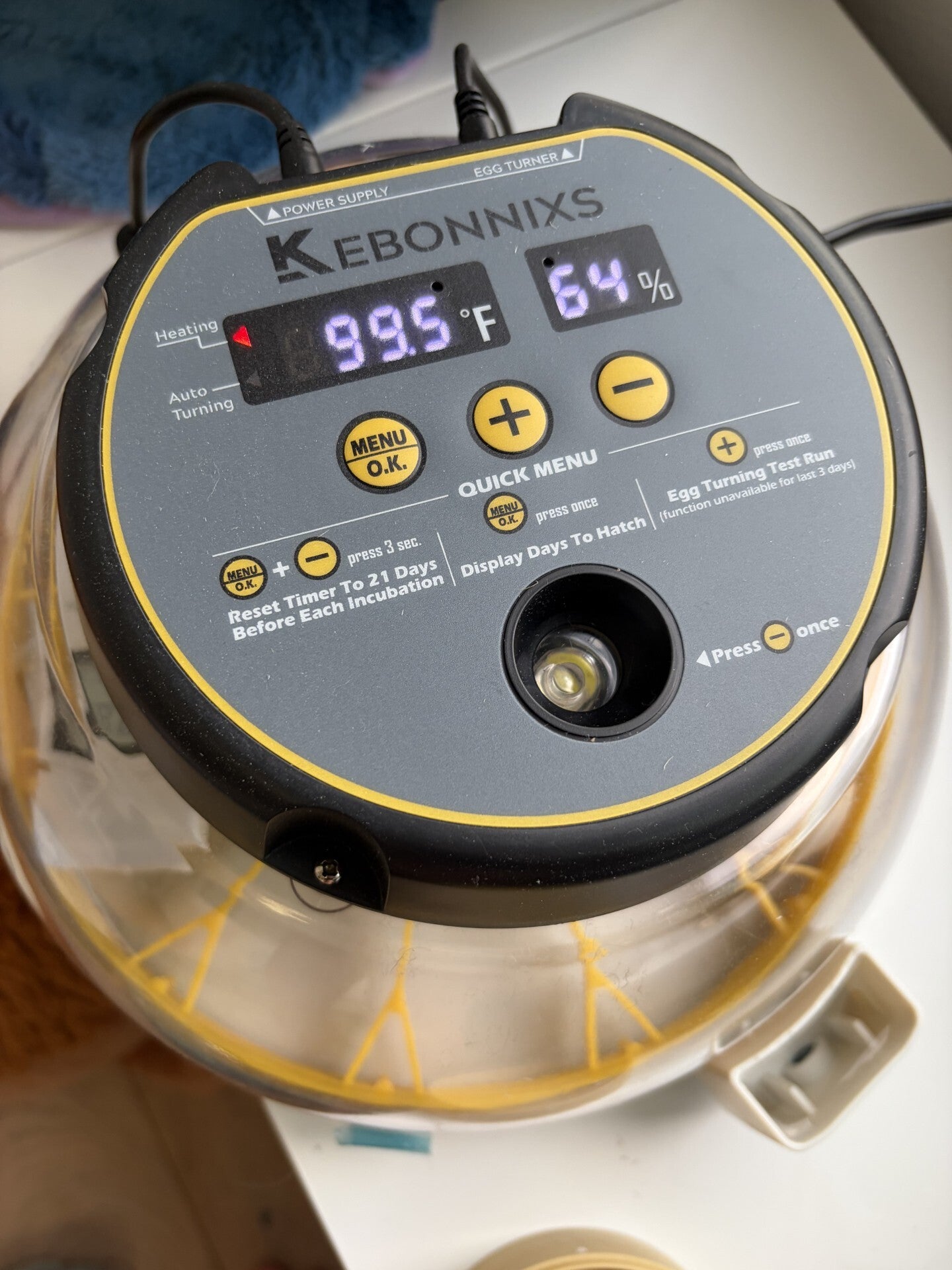
Today is the first day of lockdown, which means the chicks are getting ready to hatch and several incubator settings need to be changed. During this stage, the humidity must be increased to around 70–75%, the air vent needs to be fully open, and the automatic egg turning feature has to be turned off. These changes are important because they help create the right conditions for the chicks to hatch safely. This stage made me realize how carefully every detail has to be adjusted at the end of the incubation process, since even small changes can affect whether the chicks successfully hatch. It also reflects how, in teen parenting, as situations become more intense or near critical moments, caregivers have to pay even closer attention and adjust quickly to make sure everything is being properly cared for.
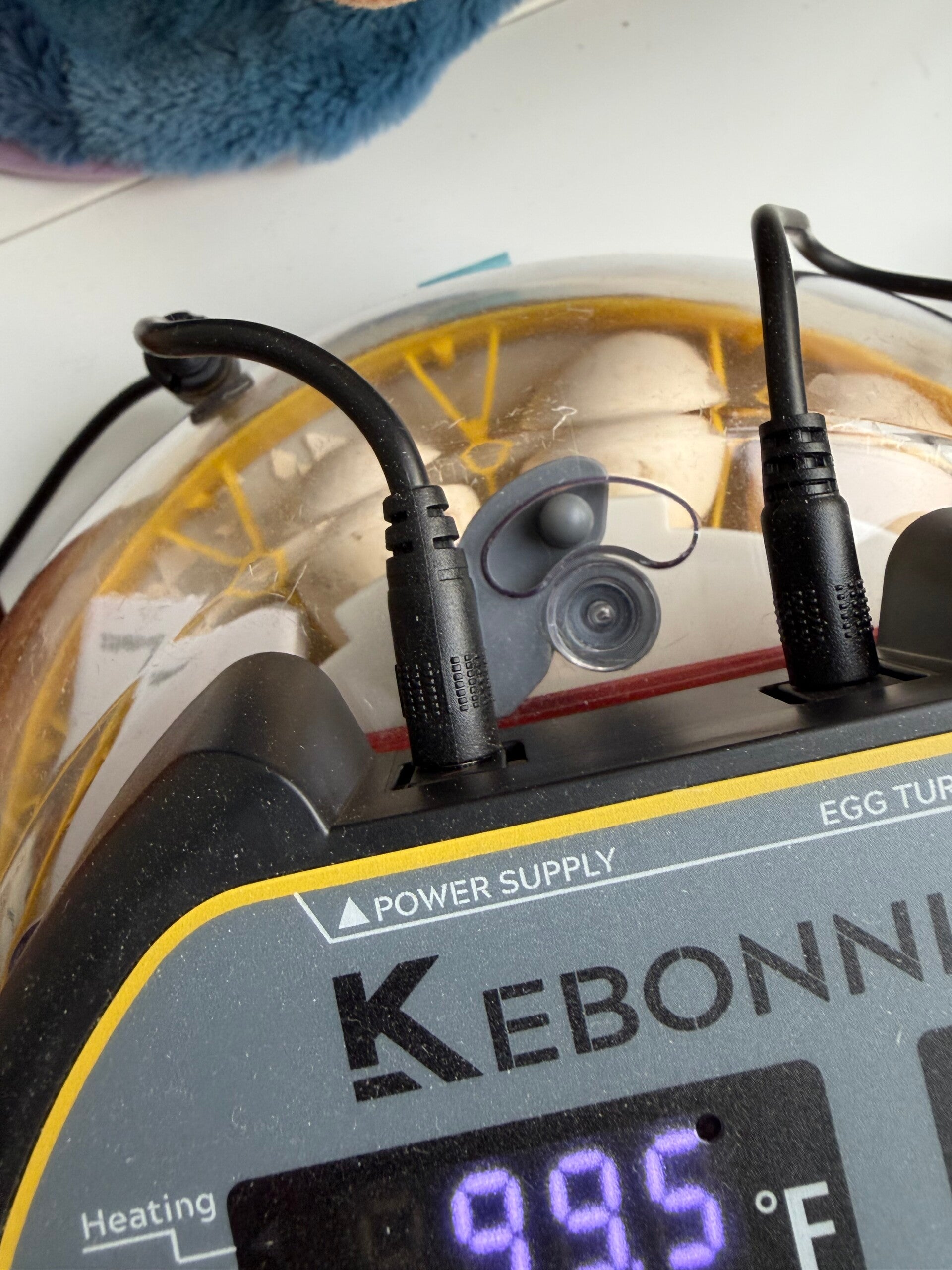
Day 19
When I got back from school, I realized that the air vent in the incubator was only halfway open. During this stage of hatching, it is very important for the vent to be fully open so the chicks can receive enough oxygen, since they are transitioning from breathing through the shell membrane to breathing with their lungs. When I noticed this, I immediately opened the vent all the way to correct the issue. Hopefully, no damage was done to the eggs, since it does not seem like it was closed for very long, but I cannot be completely sure. This situation made me realize how quickly small mistakes can become serious during the hatching process, and how important it is to consistently double-check every detail when caring for something that depends on you.
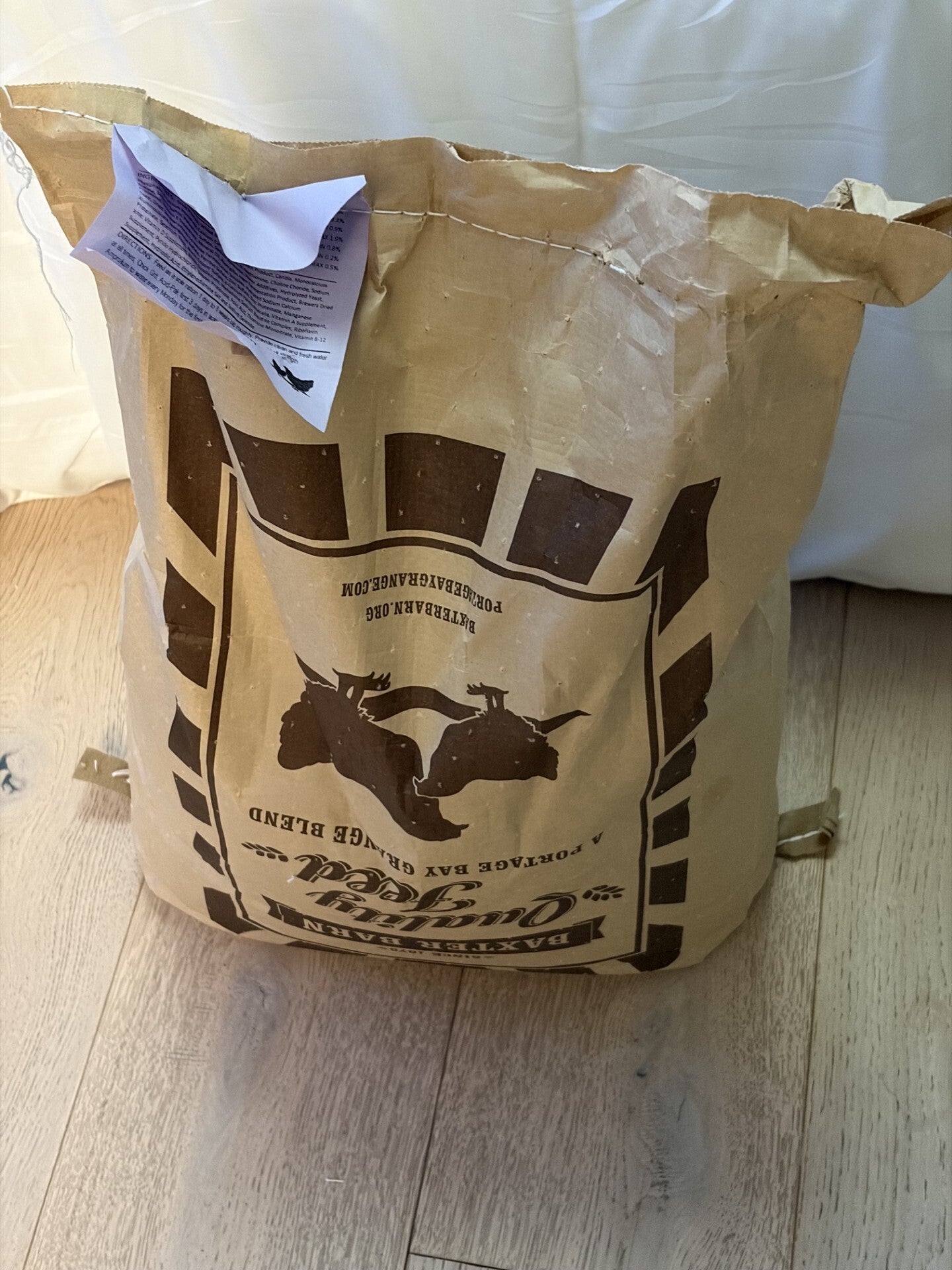
Day 20
Since hatch day is tomorrow, today I set up the brooder. I included wood shavings for bedding, a heat lamp, a water dispenser, and a food dispenser. It is important that the chicks always stay warm, especially when they are young, because they cannot regulate their body temperature yet and can become cold very quickly, which can be dangerous for their health and survival. I decided to use a water dispenser instead of a simple bowl because when chicks are very young, they can easily drown even in shallow water. The food dispenser is not as necessary, but it is helpful because it reduces mess and will make the brooder easier to clean and maintain. Overall, setting up the brooder made me realize how much preparation is needed before the chicks even hatch, and how every small decision can affect their safety and care.
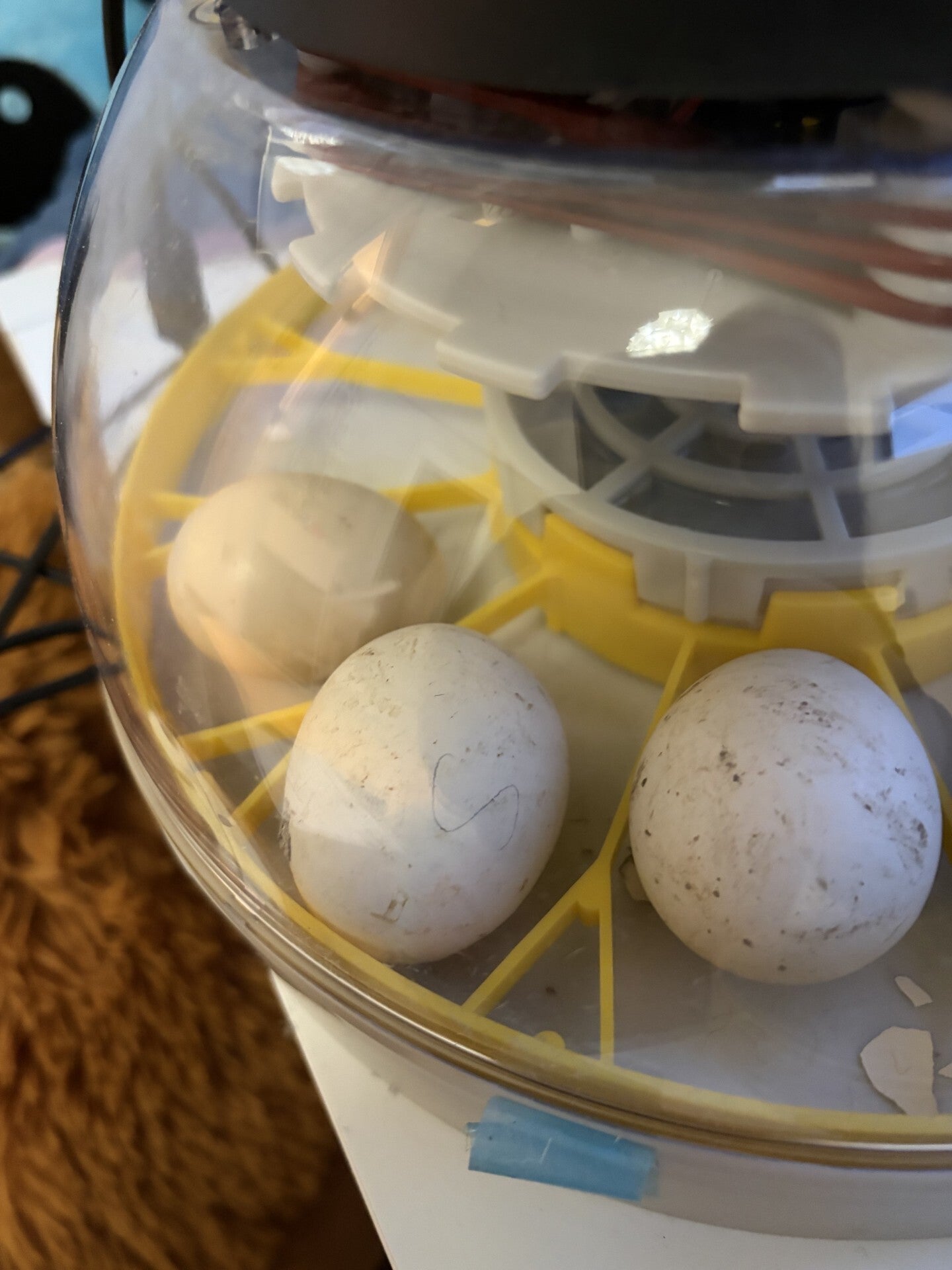
Day 21
Today is hatching day. Throughout the day, I checked the eggs closely for any signs that the chicks were preparing to hatch, such as peeping, movement, or small cracks in the shells. Unfortunately, I did not notice any of these signs today. However, this does not necessarily mean that I did something wrong or that the eggs are no longer alive, since some chicks can hatch several days later than expected, sometimes even as late as day 25. Even knowing this, I still feel worried because I have put so much time and effort into caring for the eggs and making sure the conditions are correct. This situation reminded me that caregiving can involve a lot of uncertainty and patience, especially when outcomes are not immediate or guaranteed. It also reflects how, in situations like teen parenting, people may put in a great amount of care and effort while still feeling anxious about whether everything will turn out okay.
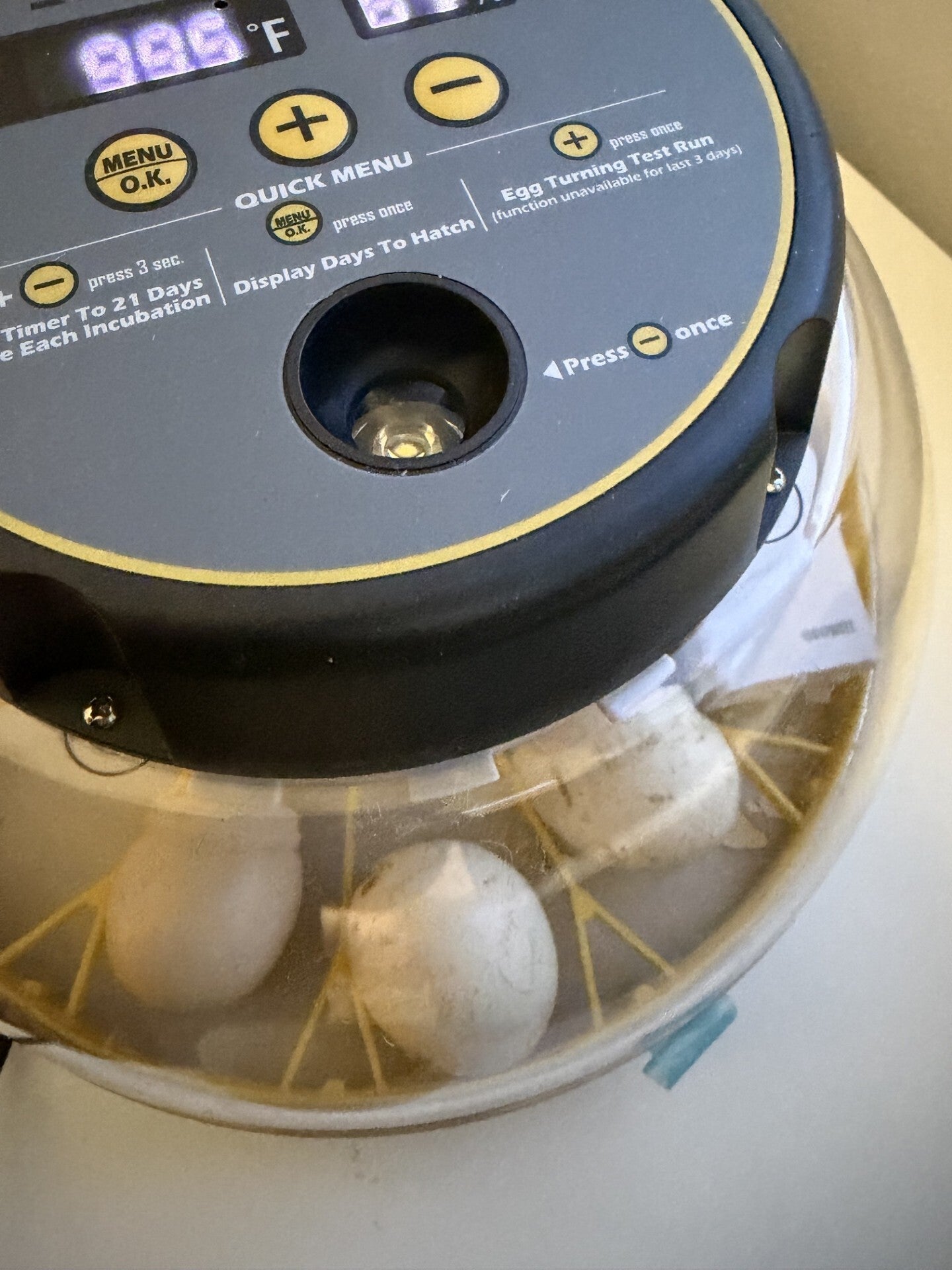
Day 22
By the end of day 22, I still do not see any signs of the chicks getting ready to hatch. I hope that they are still alive and simply taking longer to develop, but I am starting to feel worried. I am continuing to closely monitor the incubator for any signs of change or anything that could be going wrong, but nothing has happened yet. This situation has made me realize how difficult it can be to wait and not have control over the outcome, even when I am doing everything I can to care for them. It also reflects how caregiving can involve uncertainty and patience, especially when you are responsible for something and cannot immediately see results.
Day 23
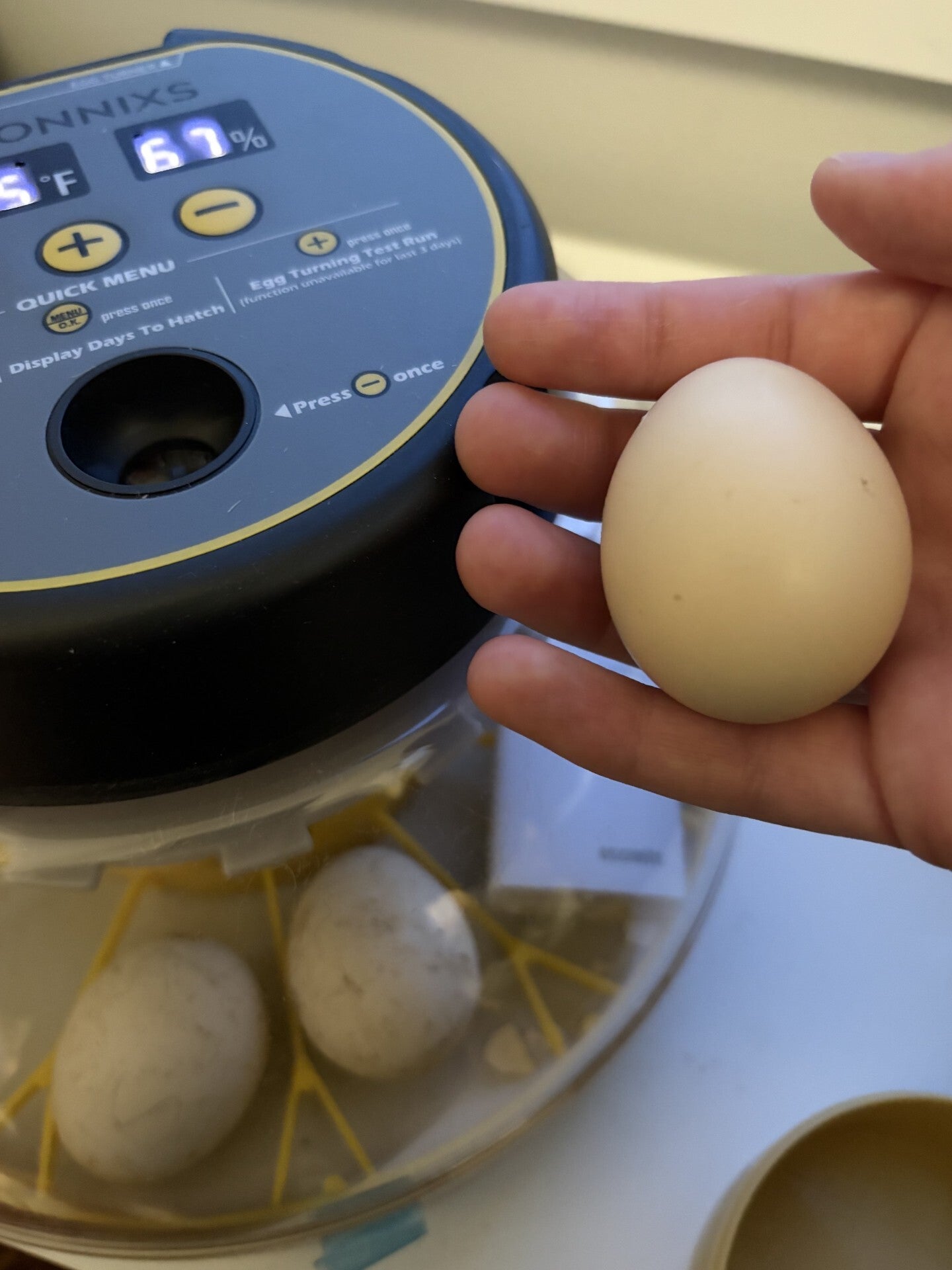
This morning, I checked the incubator again and still saw no signs of hatching. I was extremely worried, so I did some research on late hatching in chickens and learned that if the temperature is slightly too low throughout the incubation process, it can slow down development. I then looked into the specific brand of incubator I am using and found that it is known for running slightly lower in temperature than what it displays. If the difference had been large, it could have been fatal for the embryos, but fortunately it does not seem to be too extreme. At this point, I could not safely adjust anything, since opening the incubator too much this late in the process can be harmful. In the afternoon, I became even more anxious and decided to quickly open the incubator to check the development of one of the eggs. Although this is not recommended because it can cause a sudden drop in humidity and temperature, I was careful to minimize how long it was open. Before I was able to candle the egg, I heard a very faint peeping sound coming from inside it. I was extremely excited, as this was a clear sign of life. I immediately placed the egg back into the incubator, feeling much more hopeful than before. It also reminded me that caregiving situations, including teen parenting, can involve a lot of uncertainty and anxiety, especially when you care deeply about something but cannot completely control the outcome.
Day 24
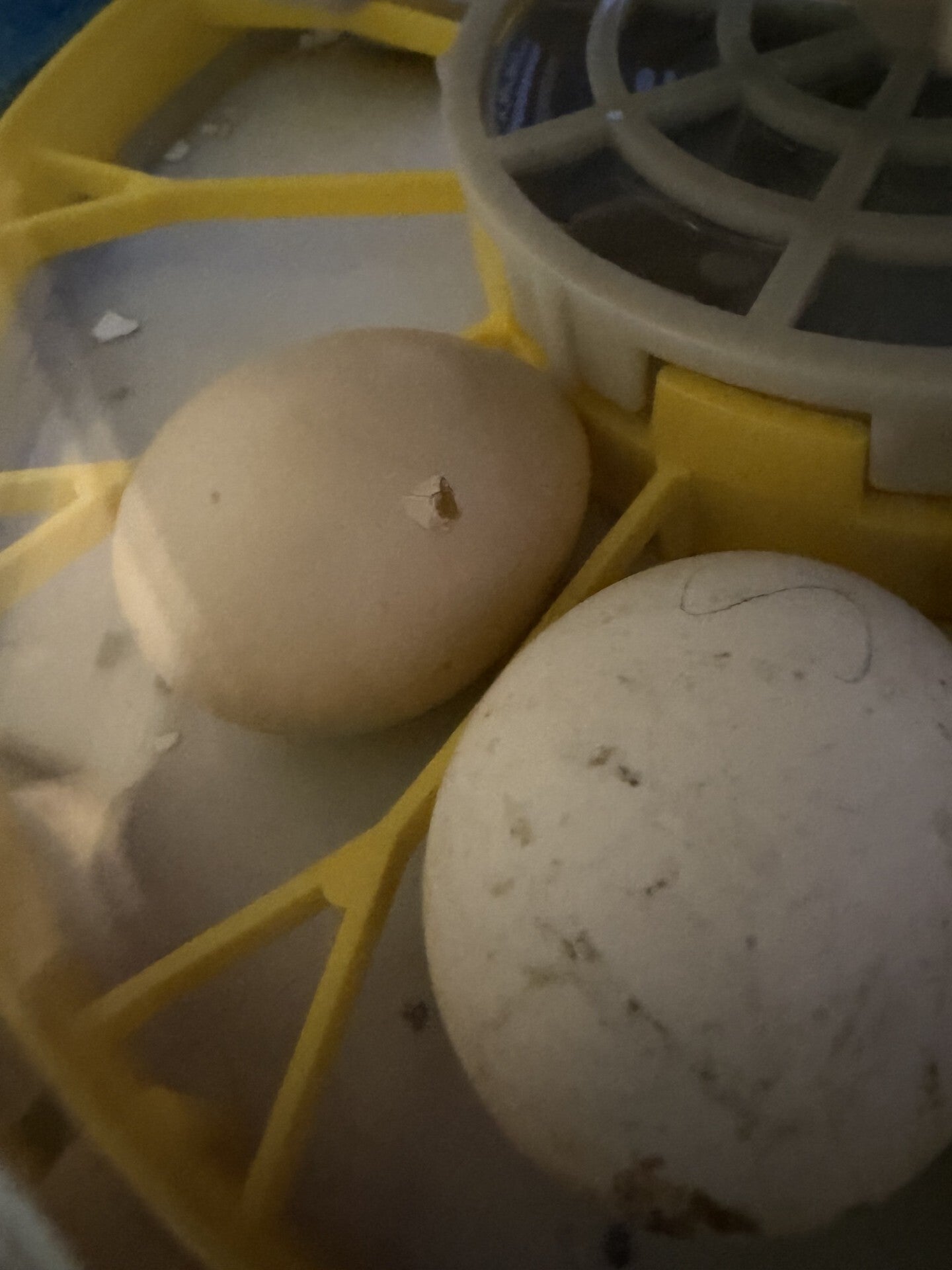
Before school today, I checked the incubator like usual and saw that both chicks had externally pipped. This means they had punctured the shell with their beaks and would soon begin hatching. One of the eggs was also rocking back and forth a lot, which was another sign that the chick was active and preparing to hatch. When I came home in the afternoon, I saw that one of the chicks had successfully hatched. I was extremely excited and relieved because it felt like all of the hard work and stress throughout the incubation process had finally paid off. The second egg that had cracked earlier in the morning had begun zipping, which is when the chick cuts around the shell in order to hatch. Since the second chick had not hatched yet, I was originally supposed to leave the first chick inside the incubator because even briefly opening it can change the humidity and temperature, which could cause the other chick to become stuck inside the shell. However, the chick that had already hatched was walking around the incubator and disturbing the other egg by stepping on it and pecking it. Because of this, I quickly removed the first chick and placed it into the brooder to avoid interfering with the second hatch. When I returned to my room later, the second chick had finished hatching as well. I carefully moved it into the brooder with the other chick. Watching the chicks finally hatch made me realize how much patience, constant attention, and quick decision-making were required throughout this process. It also reflects how caregiving situations, including teen parenting, can involve balancing stress, uncertainty, and responsibility while still making careful choices to protect the well-being of those depending on you.
Day 25
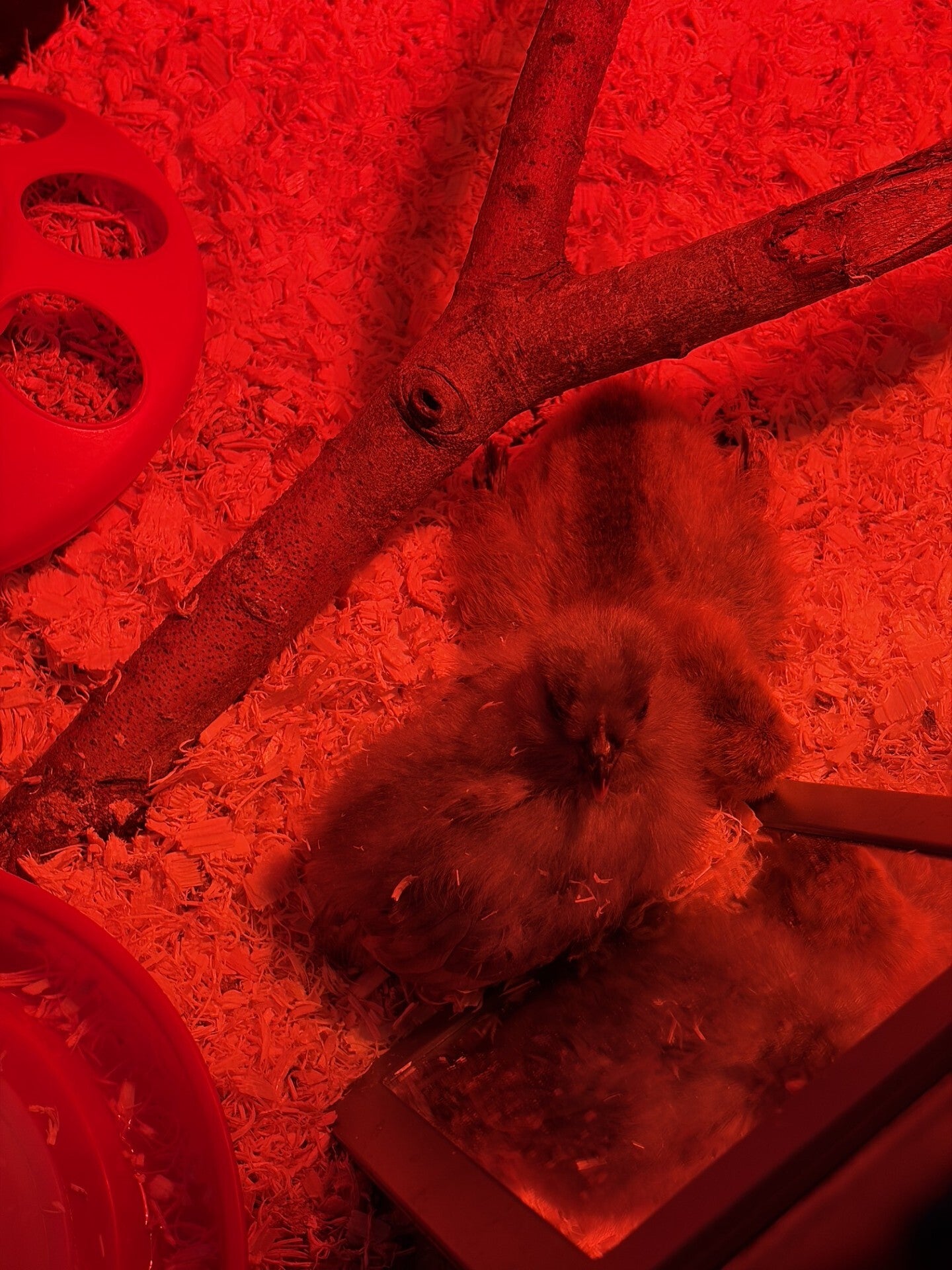
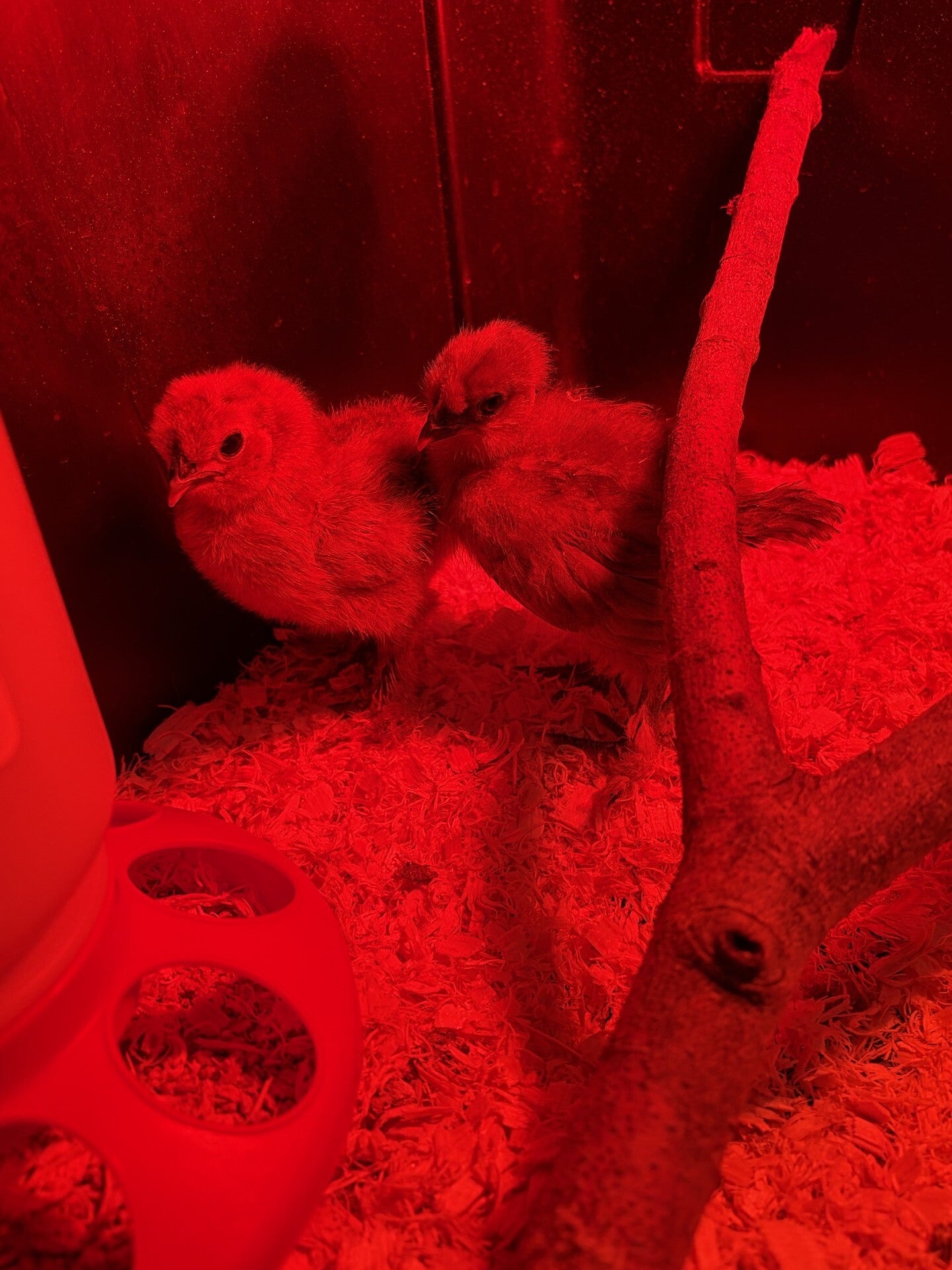
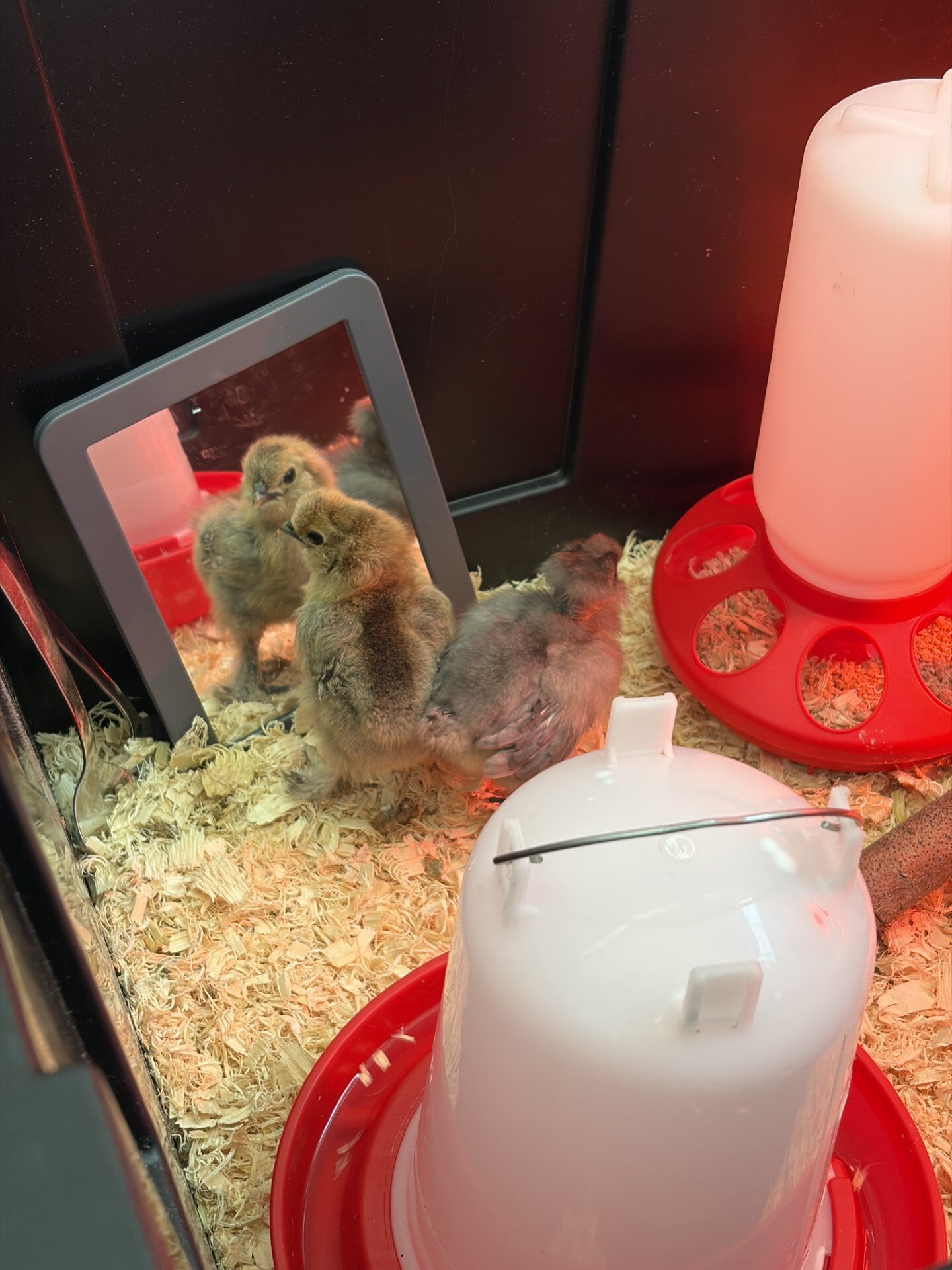
As soon as I woke up today, I went to the brooder to see how the two chicks were doing. They were walking around together and eating normally. The first chick born is a bluish-gray color, while the other is a light yellowish-brown color. I decided early on to name the yellow chick Yapper McNugget because when it hatched yesterday, it was extremely loud. Overnight it became much quieter, but that was probably because it was exhausted from hatching. Yapper is a Silkie chicken, which is a breed where it is difficult to determine the sex until several weeks later, so I still do not know whether it is male or female. I had to think longer about the other chick’s name, because I wanted it to relate to the fact that it hatched first. I ended up naming it Princess McNugget because it is the firstborn and has an elegant appearance, almost like it stands out as the leader of the two. She is also very active and runs around a lot, but at the same time it is quite skittish and does not like being picked up or handled. Both chicks were very nervous when I first tried interacting with them, but throughout the day they already seemed to become more comfortable in their environment, especially Yapper. Watching them begin adjusting to their new space made me realize how trust and comfort take time to develop. It also reflects how caregiving involves not only meeting physical needs, but also creating a safe environment where those depending on you can slowly begin to feel secure.
Day 26
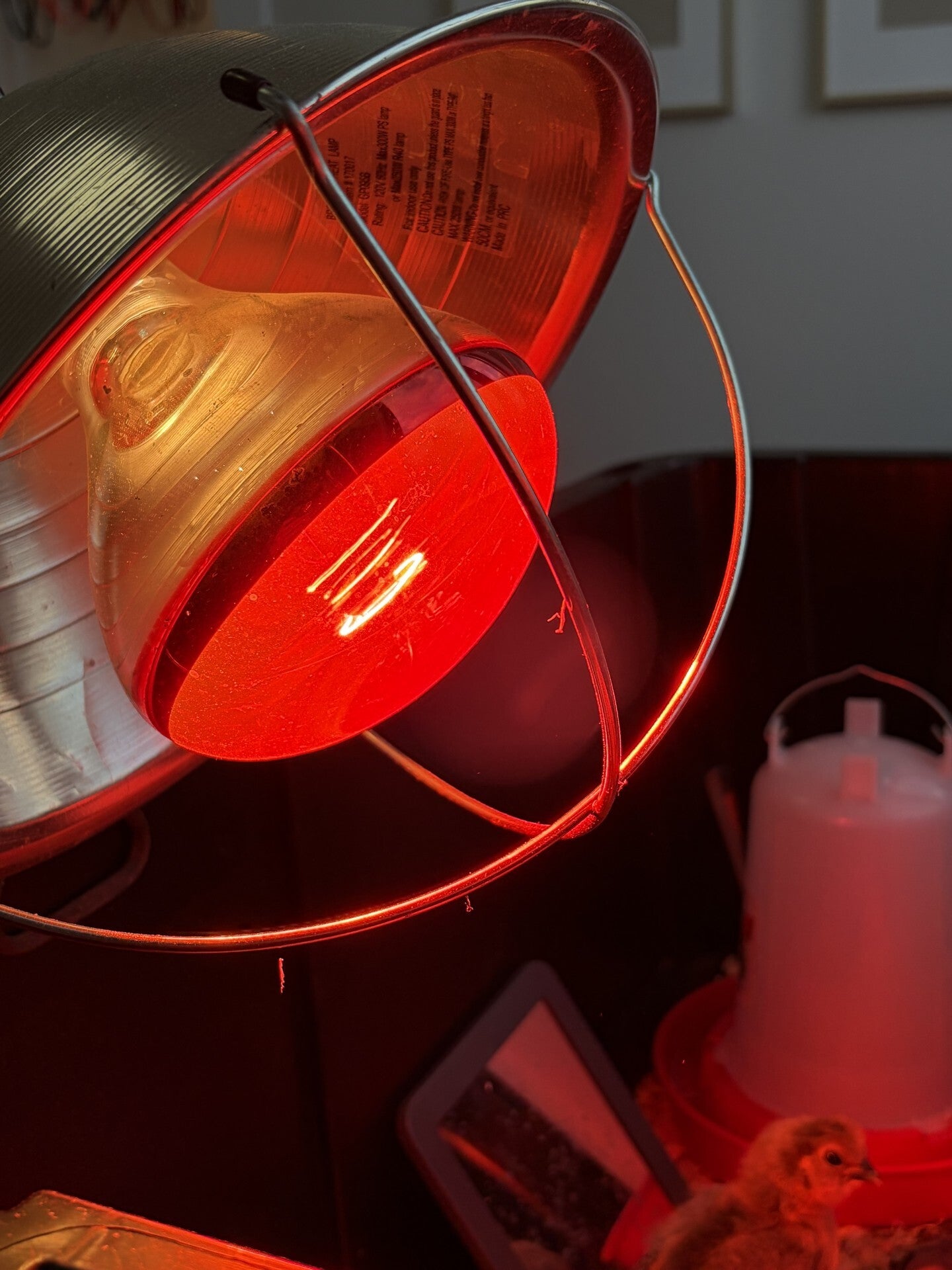
Last night, I got very little sleep because of the chicks. They would not stop chirping, and the heat lamp made my room feel very bright and hot throughout the night. I was much more tired than usual today, which made it harder to focus and stay productive, especially during school. This made me think about how difficult sleep deprivation must be for teen parents who still have to manage school, work, or other responsibilities while also caring for a child. I also learned today that chicks have a sense of day and night, just like humans. Before today, I assumed they simply slept whenever they wanted, but they actually follow a schedule similar to ours. Because of this, I made an effort to open my curtains every morning and close them each night to help them establish a consistent sleep cycle and routine. This experience helped me understand how caregiving can affect daily life and sleep, especially in situations like teen parenting where someone depends on you at all hours of the day and night. It also showed me how important routines can be for development and overall well-being.
Day 27
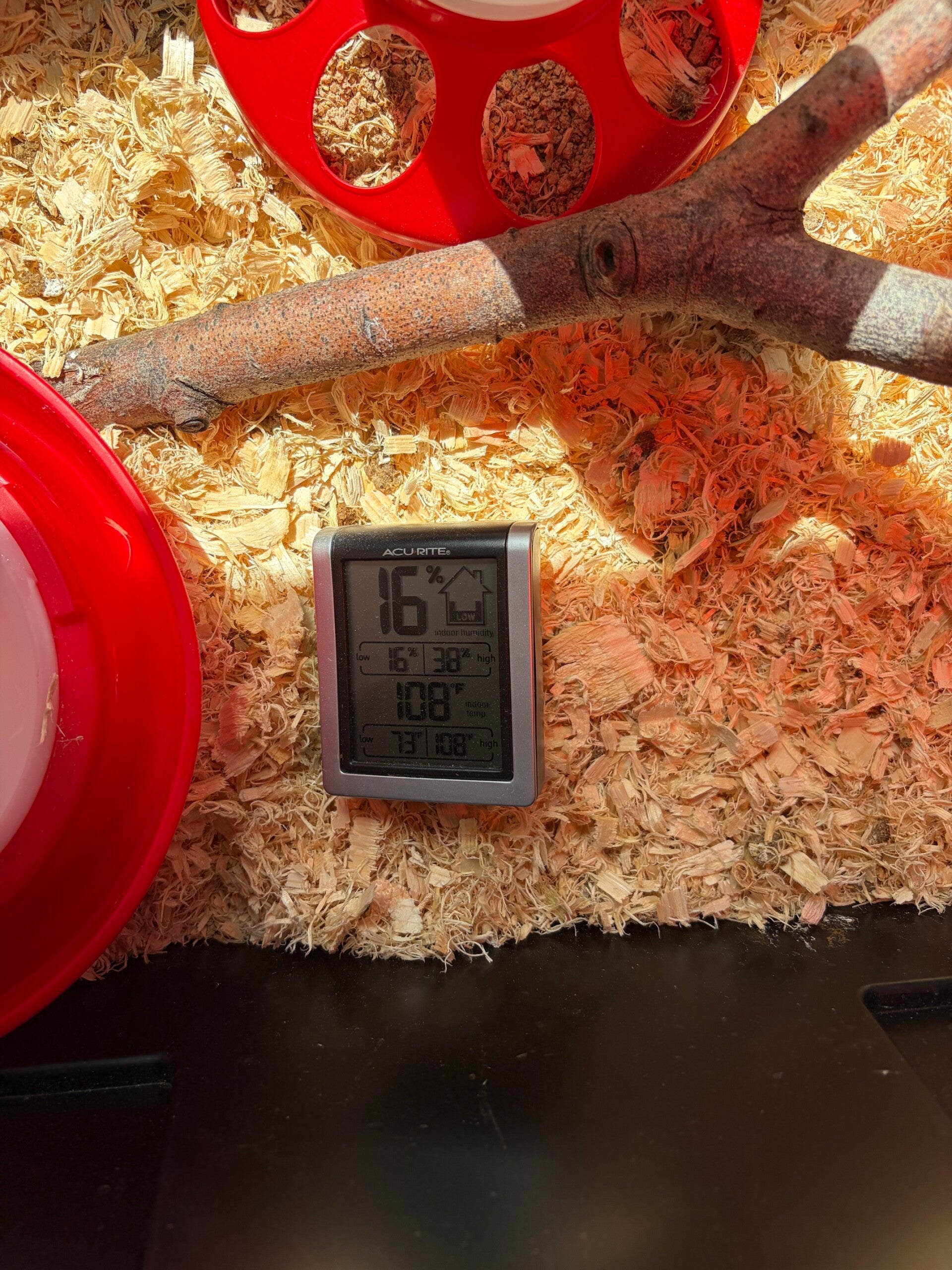
Recently, both chicks have been acting like the brooder was too hot by spreading out as far away from the heat lamp as possible and panting often. Because of this, today I added a thermometer to the brooder to see whether I needed to make any adjustments. I discovered that it was indeed way too hot. The temperature is supposed to stay around 95 degrees Fahrenheit, but it was closer to 105 degrees. Since this was a big difference, I had to quickly decide how to fix the problem. I ended up raising the heat lamp higher above the brooder so the heat would not be as concentrated. After making this change, the chicks seemed much more comfortable, so I decided not to adjust anything further. This situation reminded me how important it is to pay attention to behavioral signs, since the chicks could not directly communicate that something was wrong. It also connects to teen parenting because caregivers often have to notice small changes in behavior or mood in order to recognize when a child’s needs are not being properly met.
Day 28
Both Princess McNugget and Yapper McNugget are still constantly chirping. I started getting worried that I might be doing something wrong, so today I spent a lot of time researching chick behavior and different types of peeping. Through my research, I learned the difference between distress peeps and happy, comfortable peeps, and I realized with relief that they were simply chirping because they felt safe and content. I also learned that chicks are naturally very vocal animals, especially when they are adjusting to a new environment and interacting with each other. This experience reminded me how easy it can be to assume that something is wrong when caring for someone, especially when you are still learning. It also connects to teen parenting because caregivers often have to learn how to recognize different behaviors and signals in order to understand whether a child is upset, uncomfortable, or just behaving normally.
Day 29
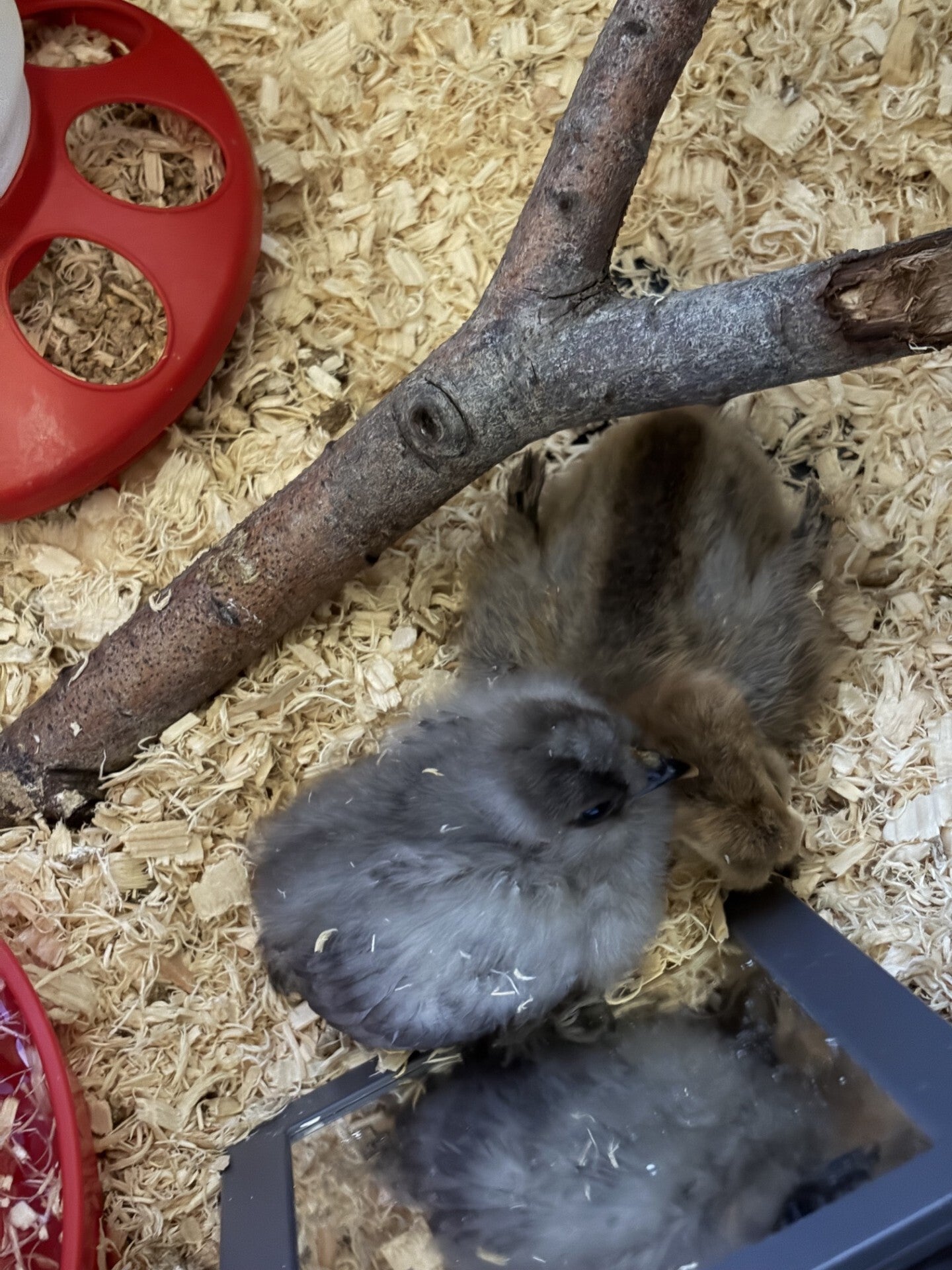
Today, I observed both of the chicks digging through the wood shavings in the brooder. At first, I was confused about why they were doing this, so I did some research and found that they could simply be bored. Since they are now five days old, they are ready for toys and other forms of entertainment. So, I added a thin tree branch to the brooder so they could practice perching and balancing, along with a small mirror for entertainment. It is important for chicks to have these types of activities because enrichment helps support healthy development, encourages natural behaviors, and prevents stress or boredom. Watching how quickly their needs changed as they grew reminded me that caregiving involves more than just food, water, and safety. It also connects to teen parenting because children, like the chicks, need interaction and opportunities to explore in order to develop in a healthy way.
Day 30
Since Princess McNugget and Yapper McNugget are already almost a week old, the temperature in the brooder needs to be gradually reduced. I have noticed that they have been spending more time in the cooler, shadier areas of the brooder, which shows that they are becoming more comfortable with slightly lower temperatures. The heat lamp I have doesn't have any settings to adjust the heat, so instead I have been turning it off for short periods during the day to slowly reduce the heat. During the daytime, they are now walking around more and chirping less, which suggests they are becoming more comfortable and active as they grow. However, at night, when the heat lamp is turned off, they chirp even more loudly than usual. I learned that baby chicks can be afraid of complete darkness because it makes them feel more vulnerable. Because of this, I decided to keep the heat lamp on during the night as a light source, and turn it off in short intervals during the day when there is natural light. This situation reminded me that caregiving often requires adjusting routines based on changing needs rather than following a fixed plan. It also connects to teen parenting because caregivers may need to adapt schedules, environments, and routines in response to a child’s comfort and development over time.
Create Your Own Website With Webador